
Out-of-Home Is the Story: Notes from Parcel + Post Expo 2025
Three days at Parcel + Post Expo 2025 in Amsterdam. What the last-mile, PUDO and locker side of logistics is actually talking about right now — and how it lines up with what we are building on LockMe and MyLock Cloud.
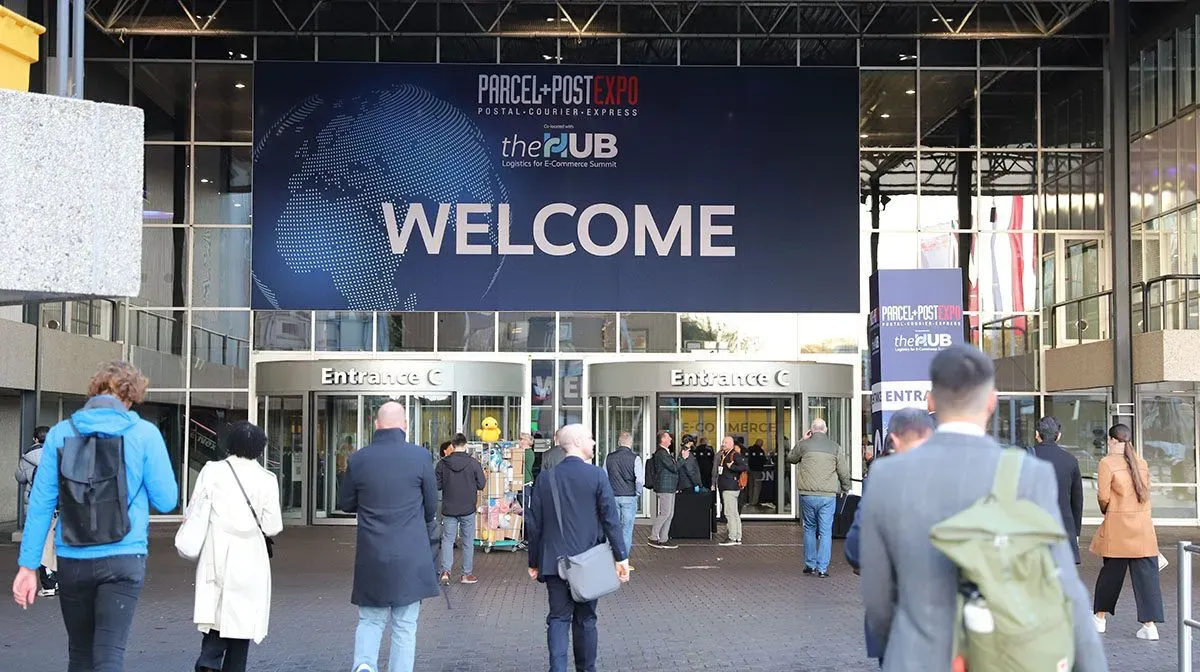
Parcel + Post Expo is the European fixture for the package, postal and last-mile industry. We have been attending for years — first as a small smart-locker company curious about where the parcel world was going, more recently as a vendor showing up with our own answer to several of the problems the floor keeps trying to solve. The 2025 edition in Amsterdam at the start of October was the busiest we have seen in years.
A short report on what we heard, what we showed, and what we are taking back to the roadmap.
What the floor was actually talking about
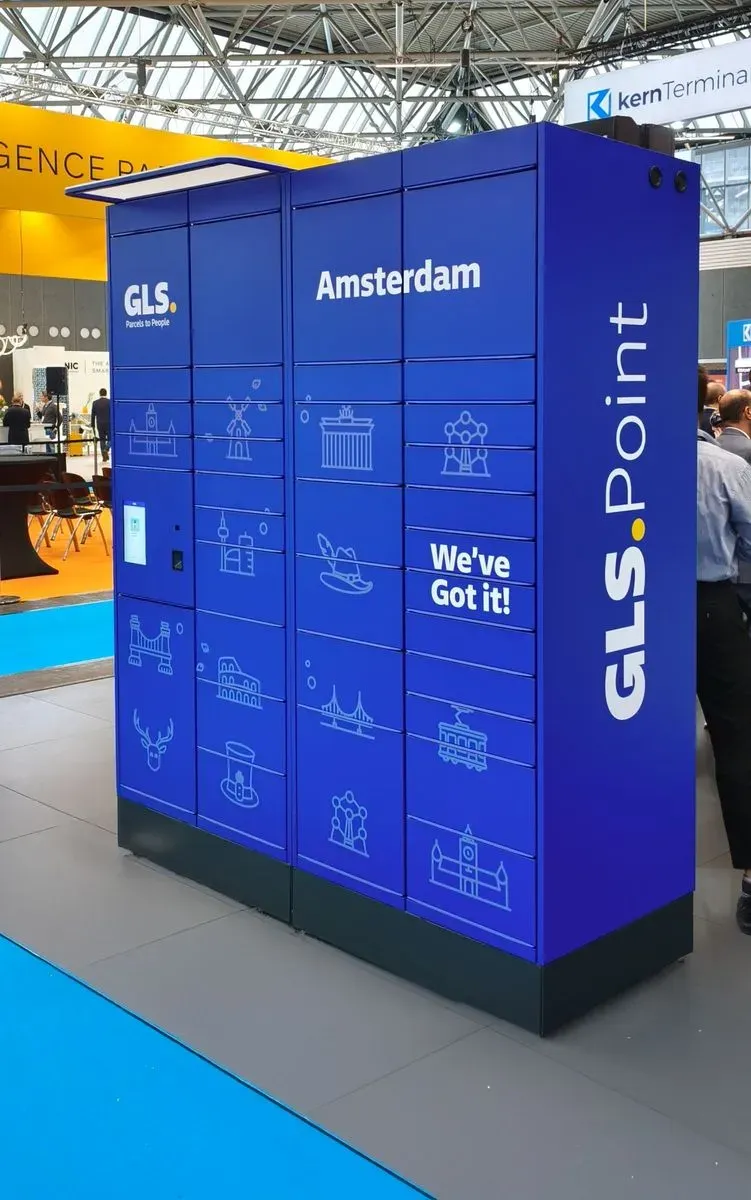
Out-of-home delivery has officially moved from "next year's project" to "this year's number." Every major carrier on the show floor had a PUDO network slide, and most of them had a parcel-locker slide. What has changed since the 2024 edition is the tone: a year ago this was still framed as a sustainability initiative; in 2025 it is framed as the economics of the last mile, full stop. The home-delivery failure rate is too high, the gig-driver economics are too thin, and post-purchase return volume is too unpredictable to keep depending on doorstep handoffs at the current scale.
Three sub-themes inside that:
Open networks are gaining ground. "One locker, multiple carriers" was a hypothetical proposal at last year's event. This year multiple operators were demoing it live, with credentials issued from a carrier's mobile app and validated against a third-party locker fleet. The interoperability standards are still messy, but the direction of travel is clear.
AI on the consumer side is louder than AI in the back office. Most carriers we spoke to are investing far more in conversational pickup experiences — chat-based parcel collection, automated returns flows, language-detected support — than in the warehouse-AI use cases that dominated the conversation two years ago. This lines up with what we have been seeing in our own LockMe deployments, and it was a big part of why our LockMe demo drew the traffic it did.
Returns are now half the conversation. Several large carriers told us, on the record, that returns volume has surpassed forecast for the third year running and that locker drop-off is the single fastest-growing channel for handling them. None of this is surprising in isolation; what was surprising was how directly returns-handling is now driving locker procurement decisions.
What we showed
We took a smaller stand than in previous years and put almost all of it behind LockMe — the WhatsApp-driven, AI-powered access flow we have been quietly shipping in production deployments across Europe for the past year. Two things consistently caught visitors off-guard:
No app, no registration. Every other locker demo on the floor required the visitor to download something or scan into an account. LockMe runs entirely through a WhatsApp thread the customer already has open. The reaction on the stand was almost always the same — "wait, that is the whole flow?" Yes. That is the whole flow.
Any language, including the one you did not anticipate. A French-speaking visitor opens the chat in French, gets answers in French, and walks away with a locker assignment. A Polish-speaking visitor does the same. The AI does not need a language selector because there is no language selector. This sounds trivial until you watch a carrier with a tourist-heavy portfolio realise they no longer have to translate-test every flow per market.
We also showed MyLock Cloud for the operator-management side — fleet visibility, conditional rules, API integration — which is where the larger procurement conversations happened. Several of those will turn into proper engagements over the coming months.
Conversations that stayed with us
Three patterns came up repeatedly in the booth-side discussions:
-
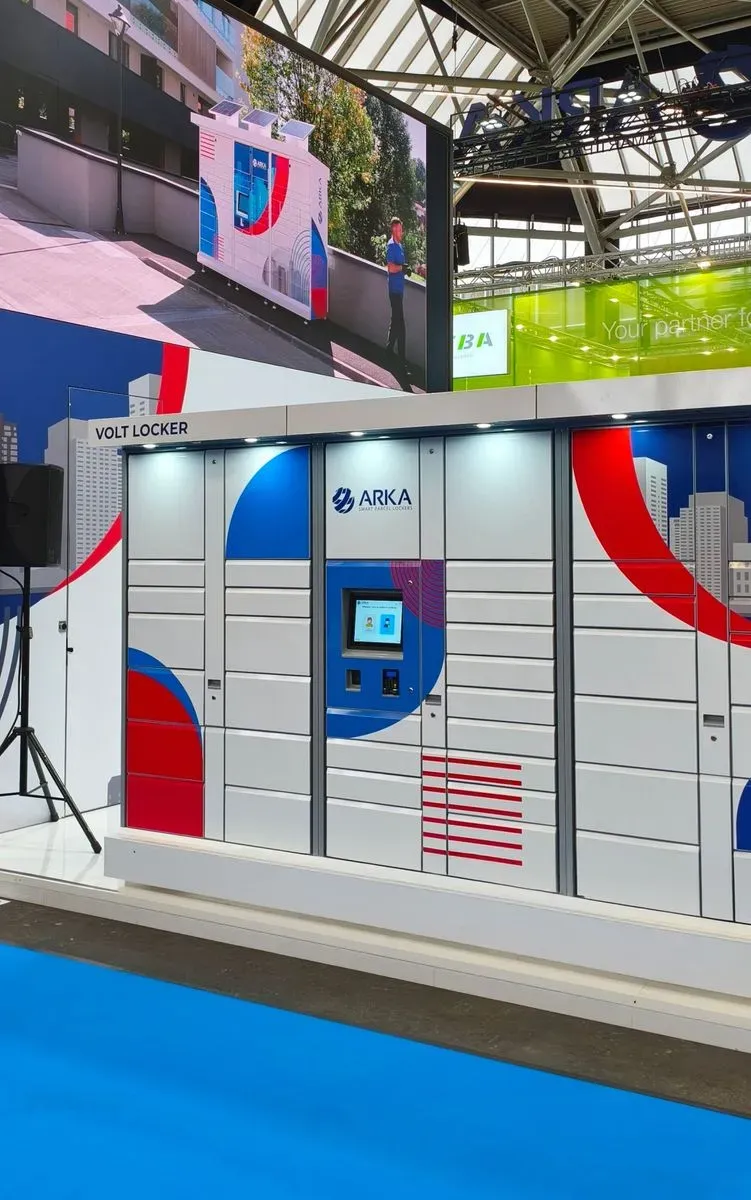
Vendor migration. Multiple operators are running smart-locker fleets they are not happy with and are explicitly looking for vendors who will swap the brains without ripping out the hardware. We have shipped that project shape before — most recently in the Malta vendor-migration case — and the appetite for it is clearly broader than we had assumed.
-
Operator-side ownership. Carriers and 3PLs want platforms they can configure themselves — expiration rules, cleaning windows, conditional access — without back-and-forth with the vendor every time. The argument we make in our Bucharest case study about admin-portal configurability turned out to be exactly what people wanted to hear.
-
Tourist-zone use cases. Several conversations specifically about the urban-tourism overlap — luggage storage, parcel handoffs for short-term renters, key exchange flows. This is squarely where LockMe was designed to play, and it is moving from "interesting niche" to a serious commercial category.
What we are taking back to the roadmap
A few things from the floor that will feed into product decisions over the next quarter:
- Carrier-issued credentials. The interoperability conversation is real, and we should make the LockMe and Cloud API surfaces explicit about how third-party credentials map onto our locker assignments. We had been treating this as future work; it should be near-term.
- Returns-flow primitives. We have the building blocks for return drop-offs — one-time PINs, time-windowed access, audit trails. We need to package them more visibly for the parcel side of our prospect pipeline.
- Language-coverage benchmarks. We have always claimed "any language" on LockMe. We should publish actual coverage data so the claim is checkable.
Out-of-home delivery is no longer a future bet for our industry. It is the default in many European urban markets and is becoming the default in many more. If you are running locker infrastructure adjacent to that — at a transport hub, an airport, a tourist district, a residential complex — and want a conversation about LockMe or about migrating from a fleet you are not happy with, get in touch. We will share what we are seeing.
To stay updated on the LockMe rollout and on event coverage like this one, follow us on LinkedIn: LockMe and MyLock.